400-prefix sales calls: what it means and how to comply
If your company calls customers or potential customers to sell, renew, or promote something, this is important to you. Very important. The new regulation requires that these types of calls be made from numbers starting with 400. This is not a recommendation: sales calls that do not use this numbering may be blocked directly by the carriers.
Don’t worry. We’ll explain what the regulation says, why it exists, and—most importantly—how to comply with it without turning your business upside down.

What does the 400 prefix mean for business calls?
Short answer: All sales calls must be identified by a number starting with 400. This number range is reserved exclusively for telemarketing, so that anyone knows, before picking up the phone, that they are being called to make a sales pitch.
The measure is part of the anti-fraud plan launched by the Ministry for Digital Transformation. Why? Because telephone scams have skyrocketed. Cybercriminals impersonate banks, electric companies, or even government agencies to deceive users. The government already took action in 2025 by blocking calls and SMS messages from unassigned numbers and banning sales calls from mobile numbers. 400 sales calls are the next logical step: if every sales call must start with 400, any “offer” coming from another number is, at the very least, suspicious.
At the same time, the CNMC has implemented mandatory registration of SMS aliases: companies that send text messages with alphanumeric sender IDs (such as “YourBank” or “YourStore” instead of a phone number) must register those aliases. If it is not registered, the message is blocked. Same spirit, different channel.
When is the 400 prefix used?
According to the government’s announcement, the requirement takes effect in October 2026. That means your company has the coming months to request the new numbering, configure its phone systems, and train its team. It seems like plenty of time; it’s not so much if you manage multiple numbers, work with an external call center, or your sales team makes calls from their cell phones.
Our advice: don’t wait until the last minute. Changes to phone numbers and PBX settings are easy if you plan ahead, but they can turn into a nightmare if you try to handle them at the last minute.
What area code should business calls have?
It depends on the type of call, and here’s the nuance that many small and medium-sized businesses overlook:
- Sales calls, prospecting, promotions, or renewals: numbers starting with 400, without exception.
- Customer service calls (to confirm an appointment, resolve an issue, or arrange a delivery): your usual landline number. These are not sales calls and do not start with the prefix 400.
That second category is governed by its own regulations: the Customer Service Act, passed in December 2025 and published in the Official State Gazette (BOE), which establishes obligations such as maximum wait times, the right to be served by a person (and not just a robot), and deadlines for resolving complaints. Together with the BOE regulations on sales calls, the complete framework requires two things from you at once: to identify yourself correctly when making a sale and to provide proper service when customers need you.
In practical terms: your company will need to use different numbers depending on the type of call. One with a 400 prefix for sales. Your landline or customer service number for everything else.
Who is affected by the new numbering system for commercial calls in 2026?
Any company that makes calls for commercial purposes: telemarketing, prospecting, promotions, renewals, customer retention… It doesn’t matter whether you make the calls yourself, your sales team does, or an outside call center works on your behalf. If the call is intended to sell, it falls under this regulation.
What happens if I don’t comply with the 400 numbering system?
The most immediate consequence isn’t a fine—it’s that your calls won’t go through. Carriers are required to block sales calls that don’t use the correct numbering. Imagine your sales team dialing numbers all morning only to have none of the calls go through. That’s not only frustrating—it’s a waste of money.
And there’s a side effect that few companies are anticipating: once the 400 prefix becomes the norm, consumers will quickly learn that a sales call from a cell phone or an unfamiliar number is likely a scam. Complying with the standard isn’t just about avoiding being blocked—it’s about protecting your brand’s reputation.
How can you comply with regulations without going crazy? The virtual switchboard – Glofera Connect
Here’s the good news. Complying with the new law on sales calls doesn’t require you to switch cell phones, add extra lines, or tie your team to a desk with an old-fashioned landline.
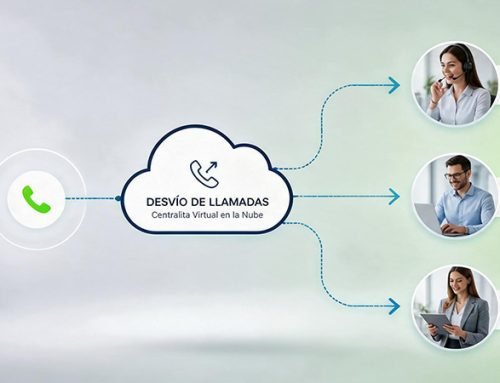
With a virtual switchboard, each employee can choose, when making a call, which number they want to use depending on the type of call:
- Are you going to make a sales call? Just select your 400 number, and you’re all set—you’re in compliance with the regulations.
- Are you calling a customer to resolve an issue? Use the customer service landline number.
- Want to maintain a professional image even when you’re calling from your car? Your cell phone can display the company’s landline number.
That’s the key: the device doesn’t matter anymore. Your team can continue making calls from their cell phones—or even from their computers—and display the appropriate number for each call: 400 for sales, the landline for customer service. Ideal for sales teams on the go and for those small businesses where “the office” is wherever the owner’s cell phone happens to be.
In short: Regulations require you to categorize your communications by use. A virtual PBX lets you do this with a single click, without sacrificing the flexibility you already have.
Where do I start? Quick checklist
- Identify which of your company’s calls are sales-related and which are customer service calls. This step sets the tone for everything else.
- Check which numbers your team is calling from today. If you’re making sales calls from your personal cell phones, you’ve got some work to do (and you’re running out of time).
- Request your 400-prefix number through your phone service provider.
- Configure your system to assign outgoing numbers based on their intended use: sales, customer service, or internal operations.
- Build your team. It is people, not systems, who follow the rules. Every employee should know which number to use and when.
- Don’t forget about text messages: if you send messages with a sender name, register your alias with the CNMC.
Would you like us to help you catch up?
Every business is unique: a three-person office is not the same as a sales team of twenty spread across half of Spain. If you’re unsure which of your business calls fall under the “sales” category, what phone numbers you need, or how to organize your communications to comply with regulations without losing flexibility, our business communications consulting team can help you figure it out.
We’ll help you assess your current situation, determine which numbers you need for each purpose, and set up your phone system so that complying with regulations is as easy as dialing a number before making a call.
Request a no-obligation consultation HERE and start October with everything taken care of. Your calls will keep ringing; the scammers’ won’t.
Related Posts